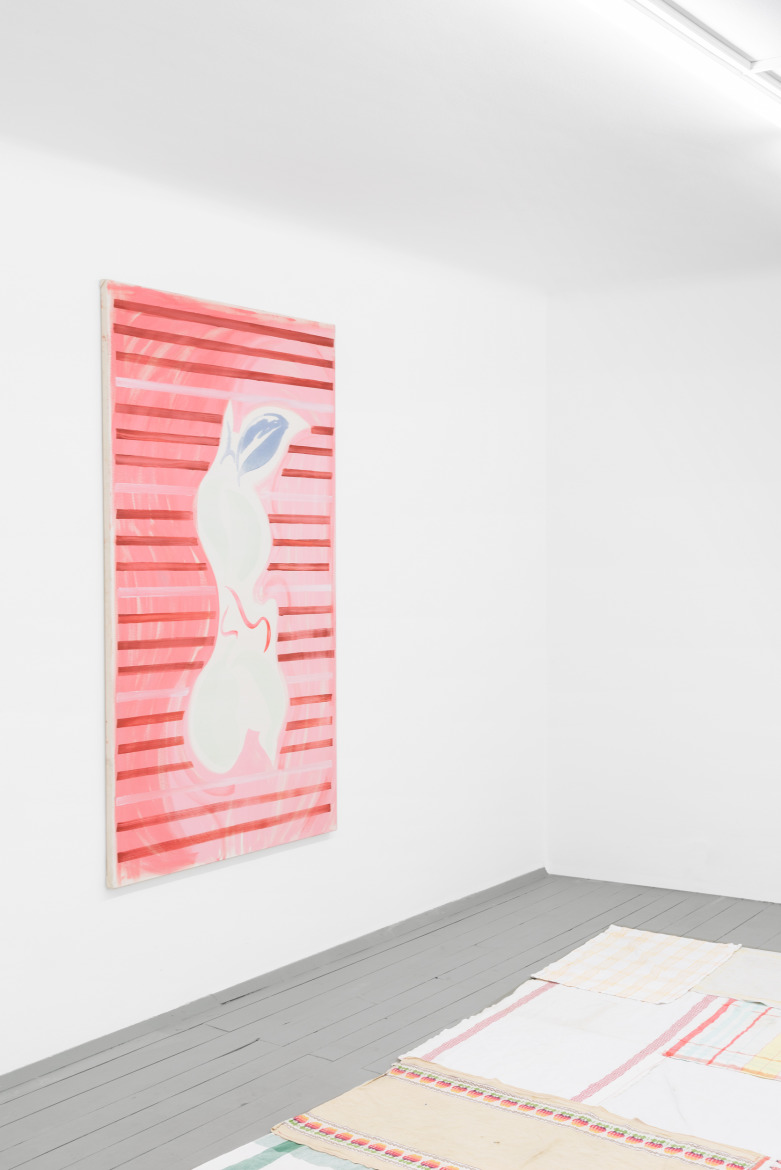
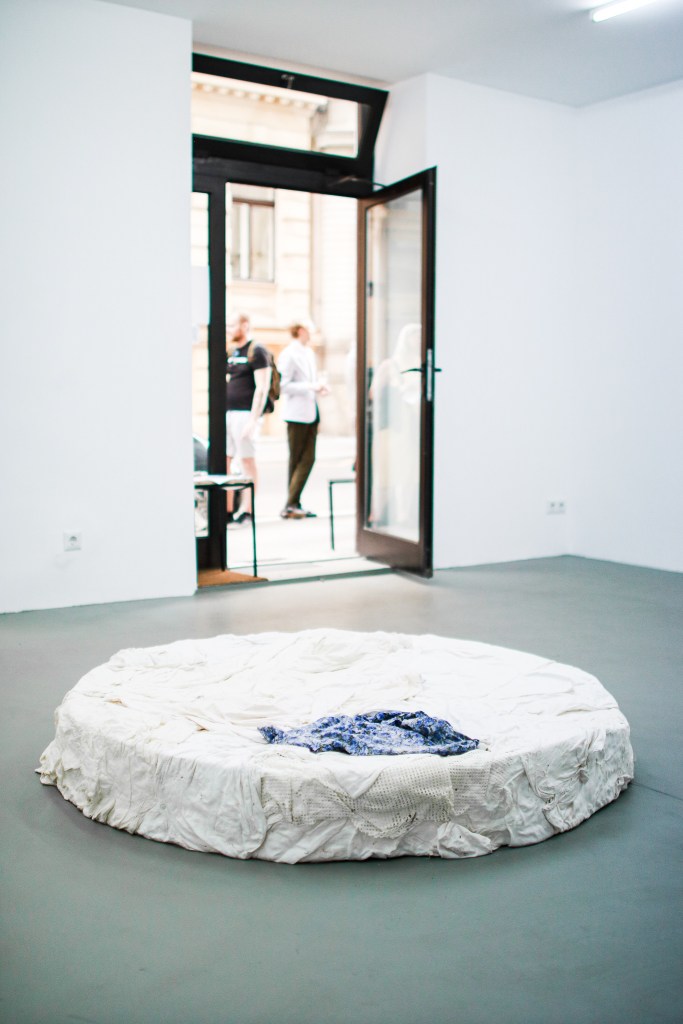
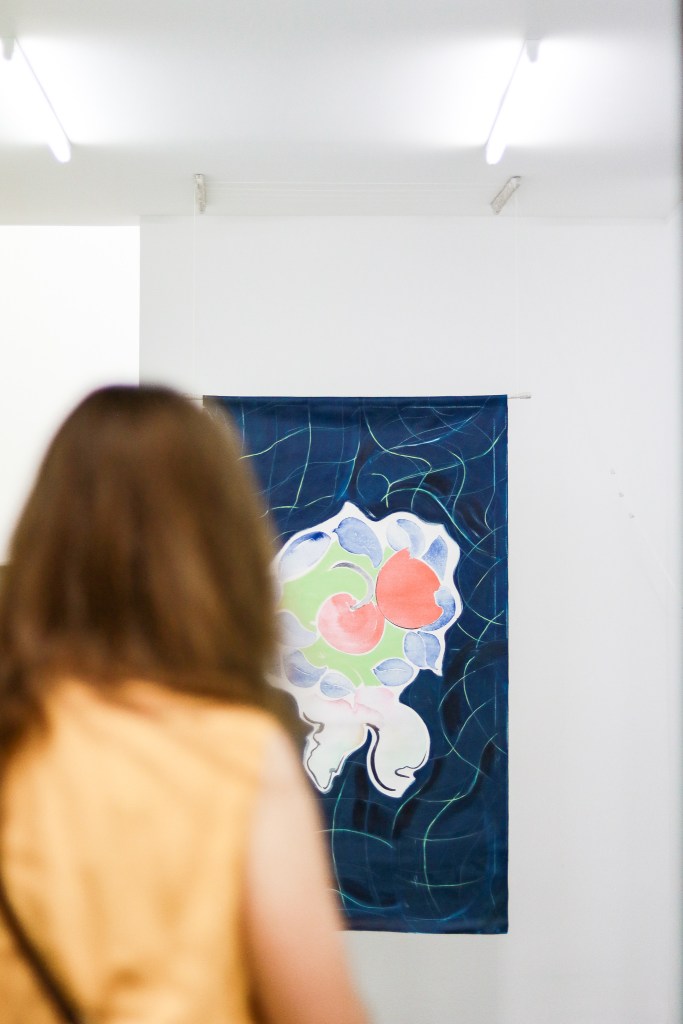
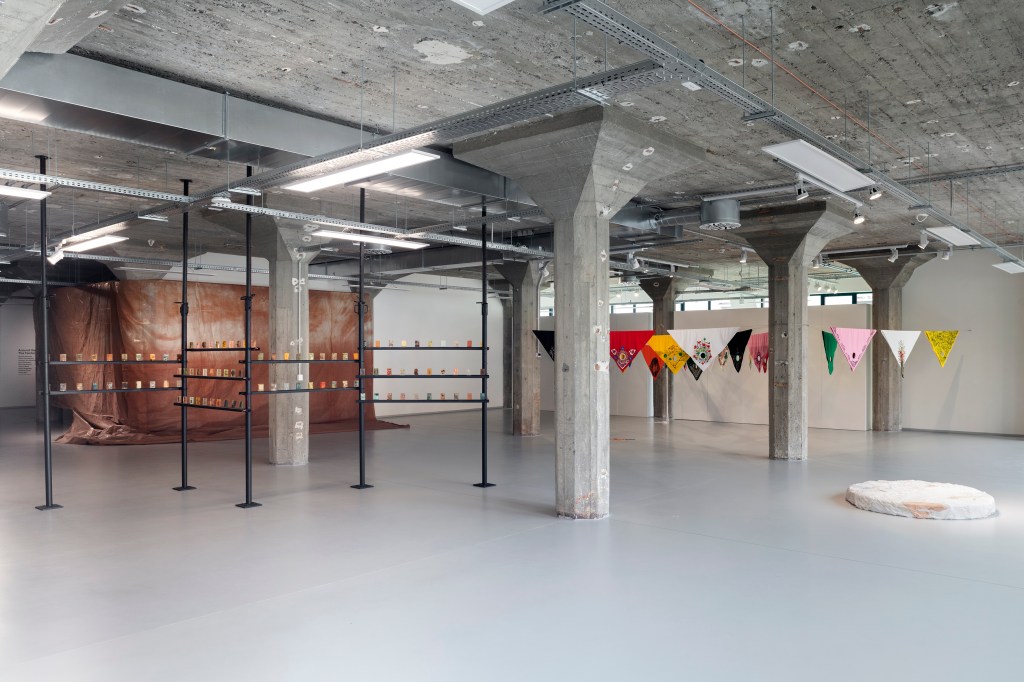
In the exhibition, paintings by Martina Smutná enter into dialogue with sculptures by Sáro Gottstein. Behind Pokorná is the artistic exploration of the theme of (invisible) care work. The word addresses the unpaid status of housework and childcare as well as care work performed for pay. In English the Czech word ‘pokorná’ translates to ‘humble’. However, this literal translation is too limited. The English adjective is not able to convey the gender-specific feminine ending in Czech, which calls attention to a prominent problematic of the topic: it is still women*, who perform the greater share of this fundamental but mostly invisible activity for our society.
Artists: Martina Smutná, Sáro Gottstein
In Exile for festival Vienna meets Prague
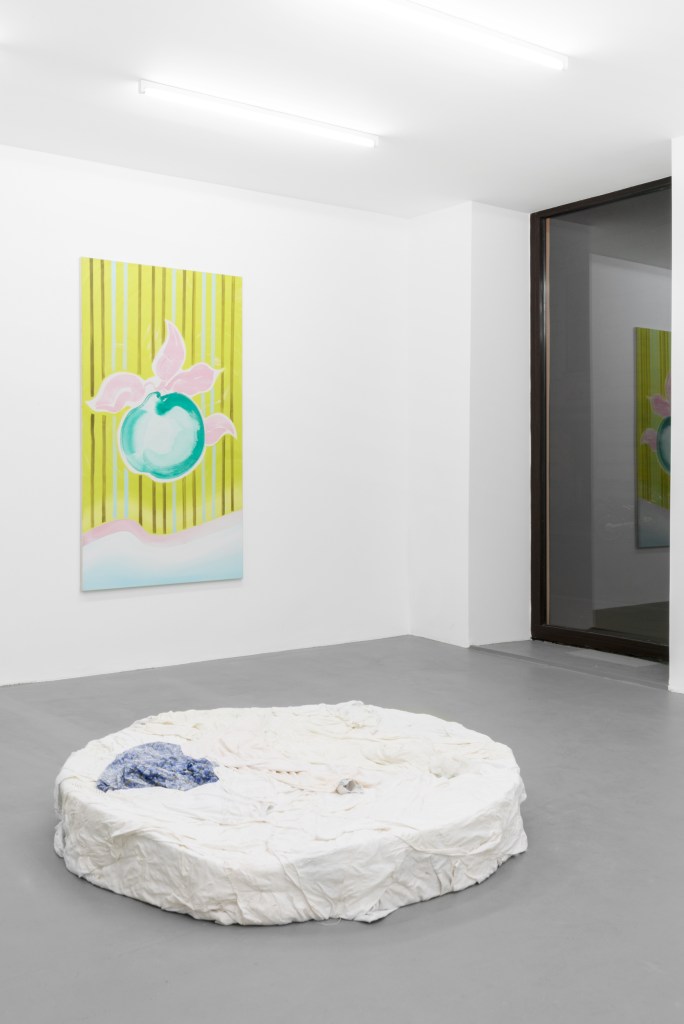


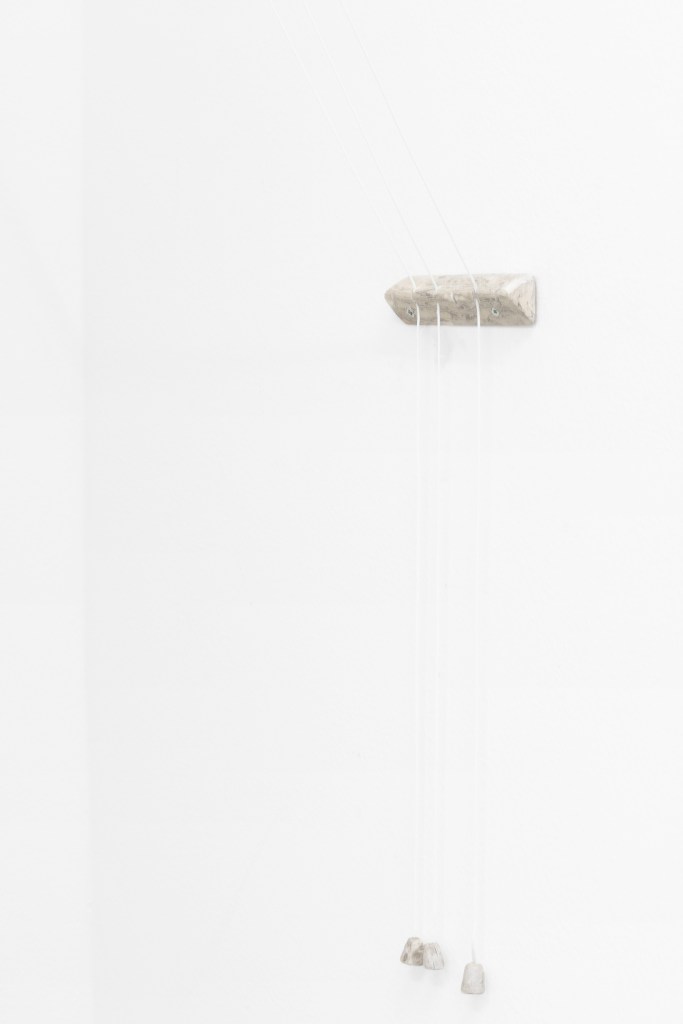

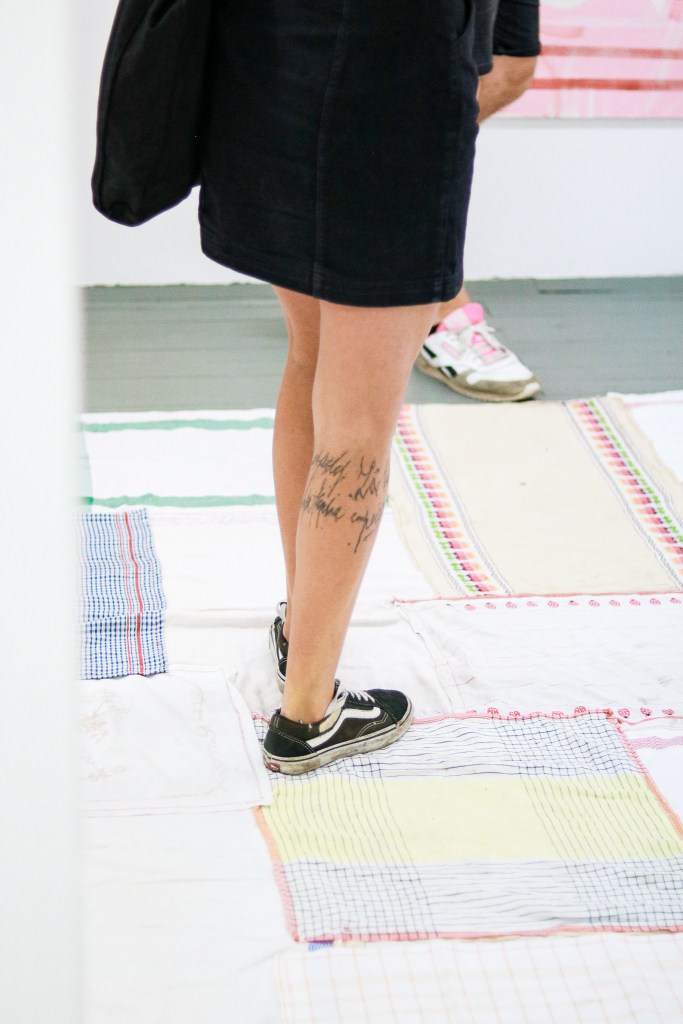
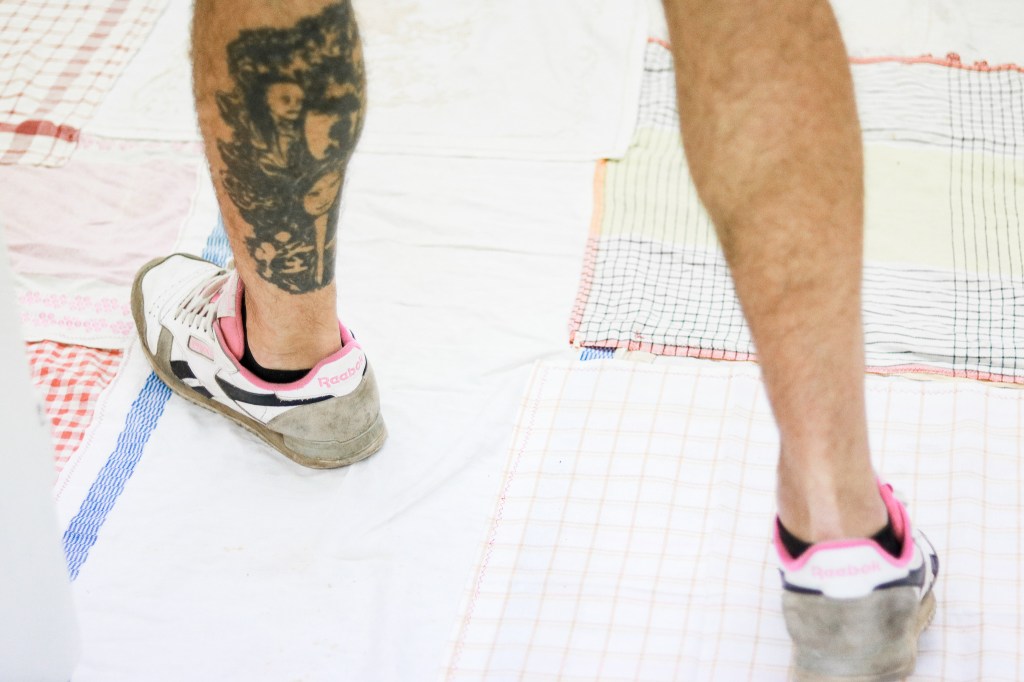
A synergy of the two different points of departure of artists Martina Smutná and Sáro Gottstein materializes in the appropriation of an everyday object that we need and take for granted – the dishcloth. In the exhibition, it becomes a synecdoche for care work – professional and nonprofessional alike. Howbeit both artists tackle different problematics associated to care work.


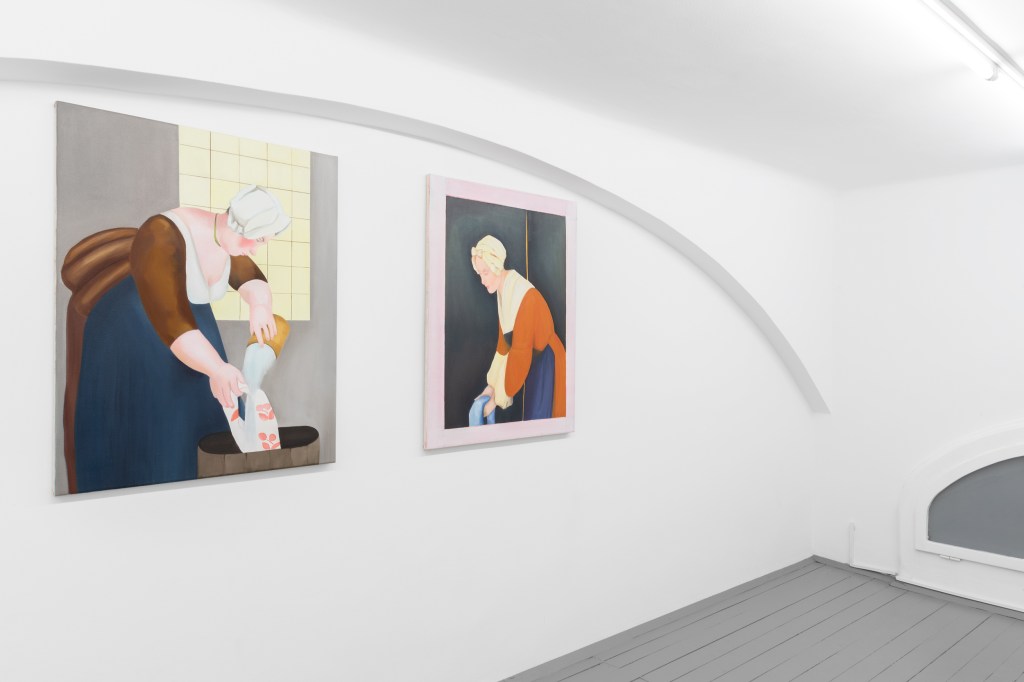
Despite her approach, the absence of women* of color is felt in Smutná’s Laundrywomen. The omission points to the limitations in overcoming the art historical canon. But this critique also risks perpetuating invisibility of women* of color, which becomes additionally problematic in the context of today’s social issues.
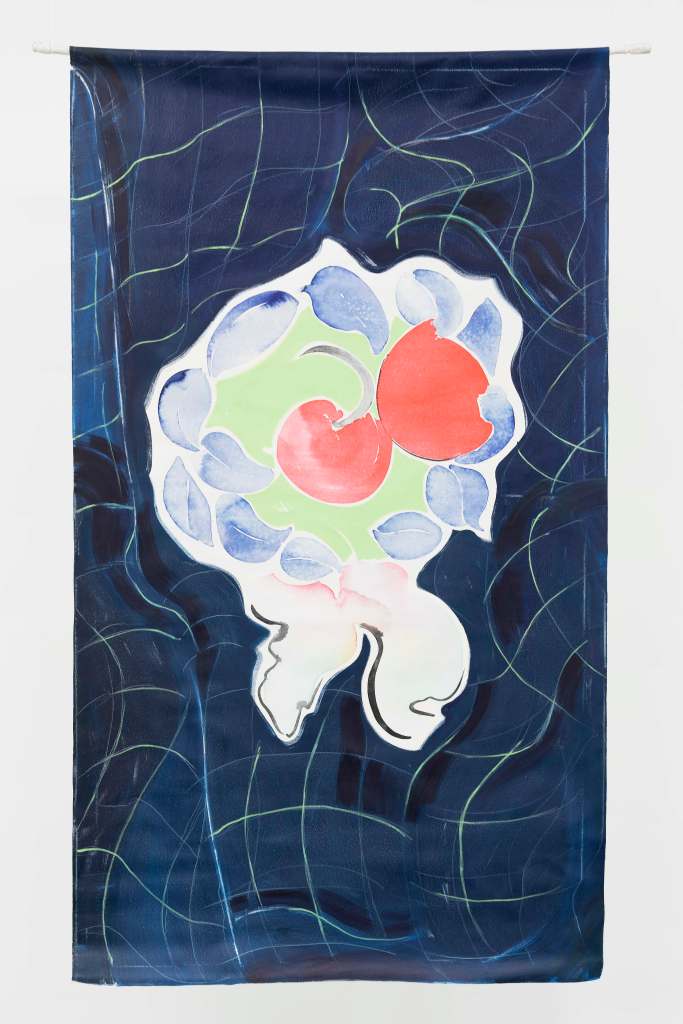
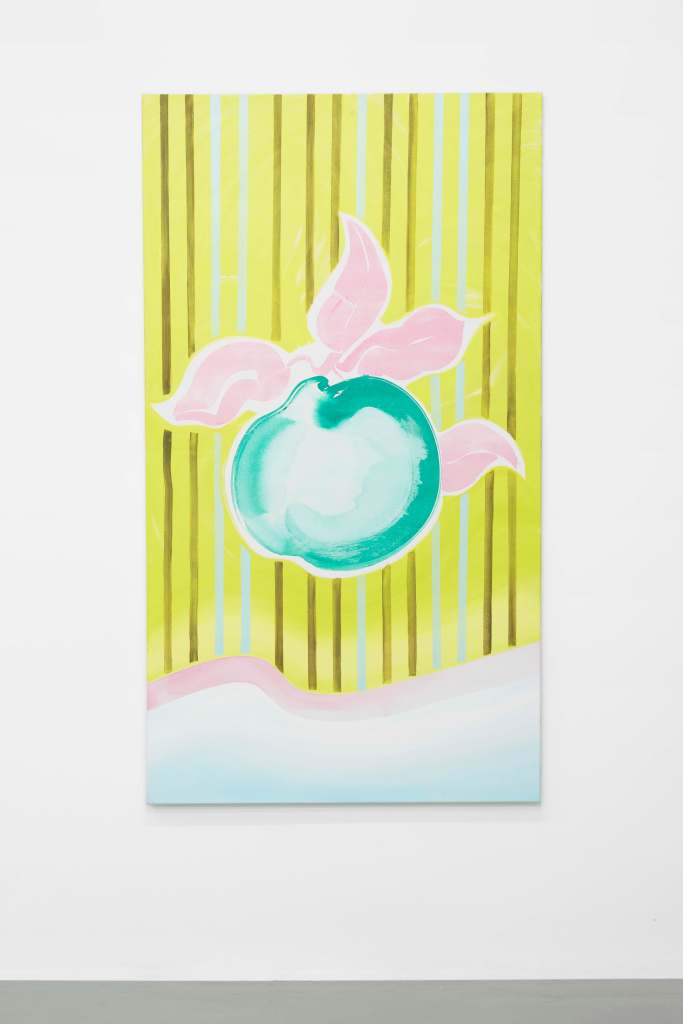
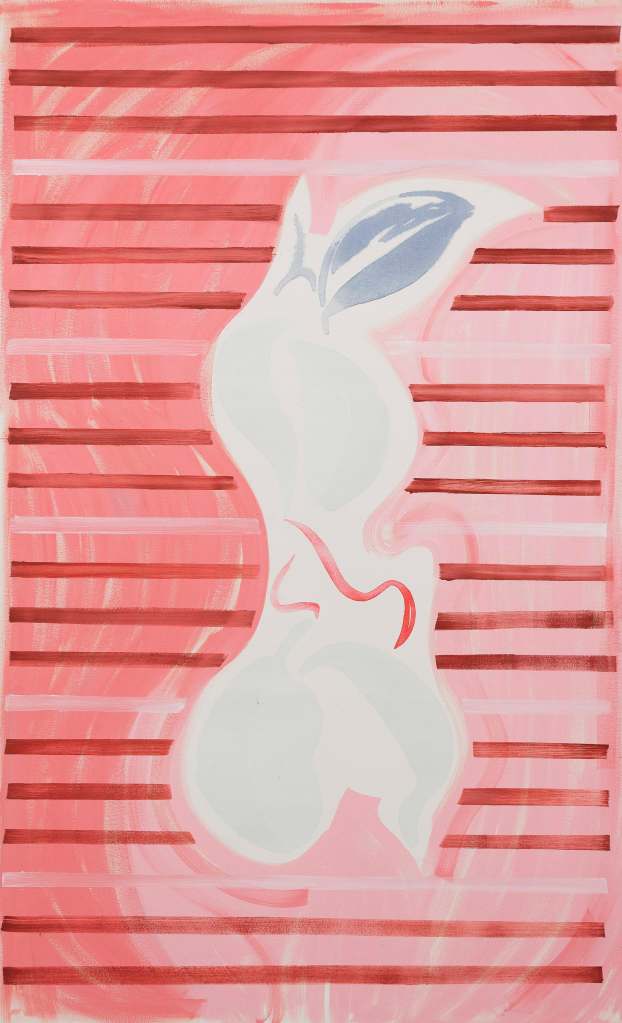
In the exhibition, Gottstein and Smutná both scrutinize the way labor can be aestheticized. In their appropriation of everyday objects, both artists wittily toe the line between kitsch and ‘high’ art. For example, in the painting series Loss, Smutná employs current trends in contemporary painting to reproduce woven patterns and motifs on dishcloths; Gottstein, on the other hand creates a large abstract tableau by sewing the dishcloths together.
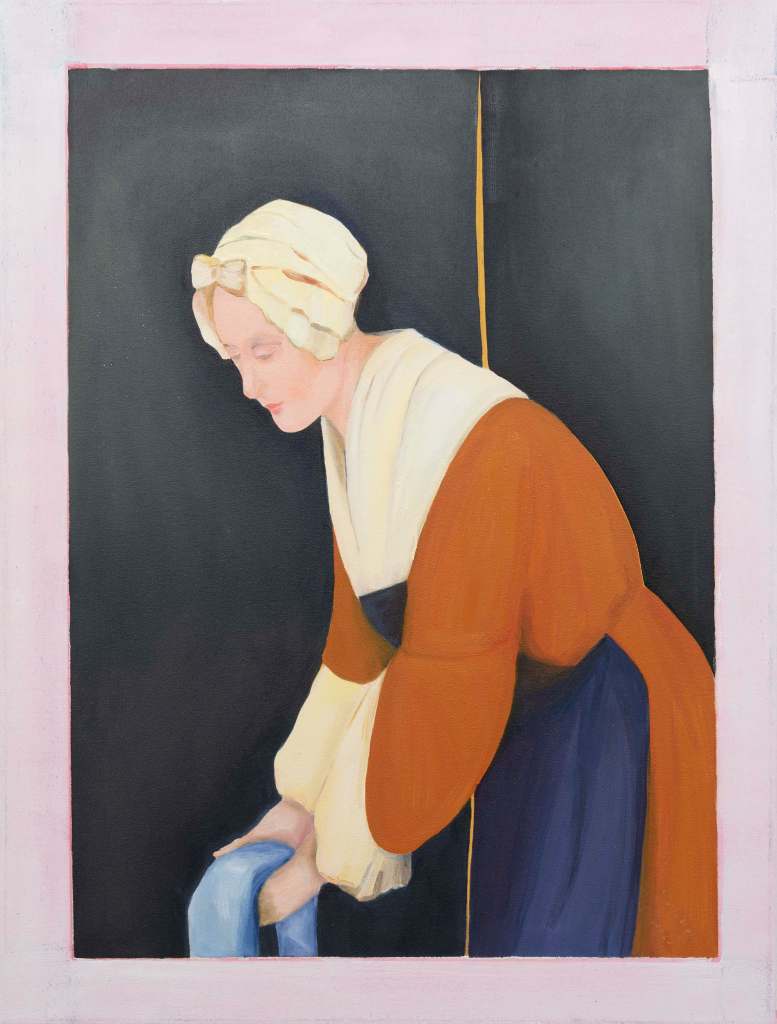


By elevating everyday objects to ‘high’ art, the viewers’ attention is drawn to something that is normally ignored, thereby granting the objects agency. The hope being that this agency will reappear the next time the object is used. On a more self-reflective note, this tension between the ‘beautiful’ (art object) and the ‘mundane’ (everyday object), is an attempt by the artists to resist the commodification of their aesthetic artworks and undermine their privileged positions as artists. But the final questions the exhibition asks, left for the viewer to answer: is it possible to create a seminal work of art that can address and enrich the socio-political discussion revolving around care work today.
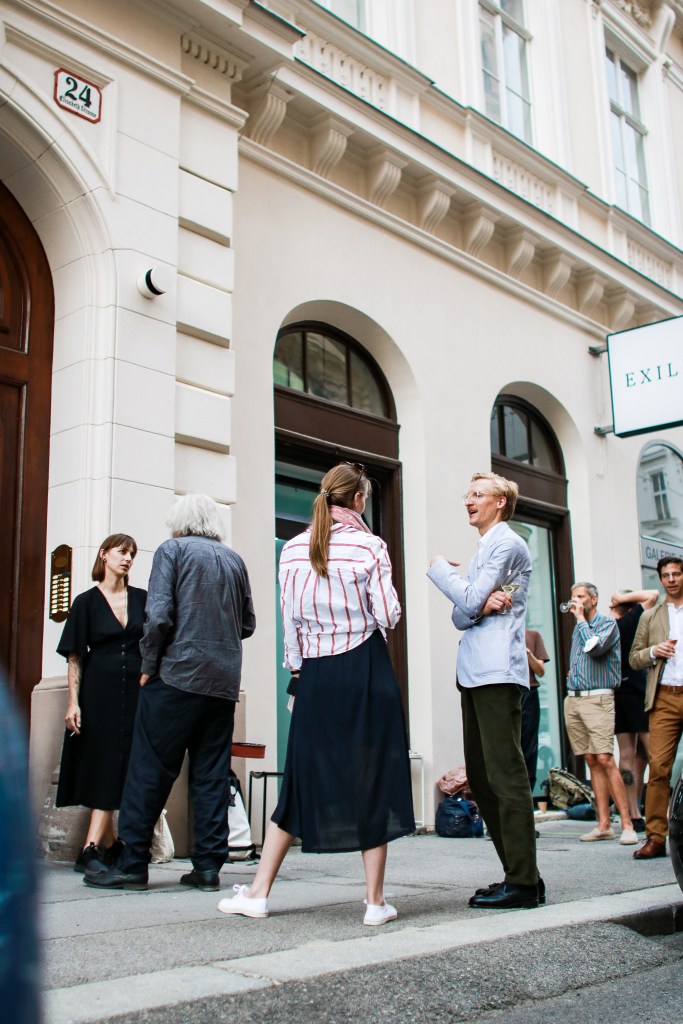
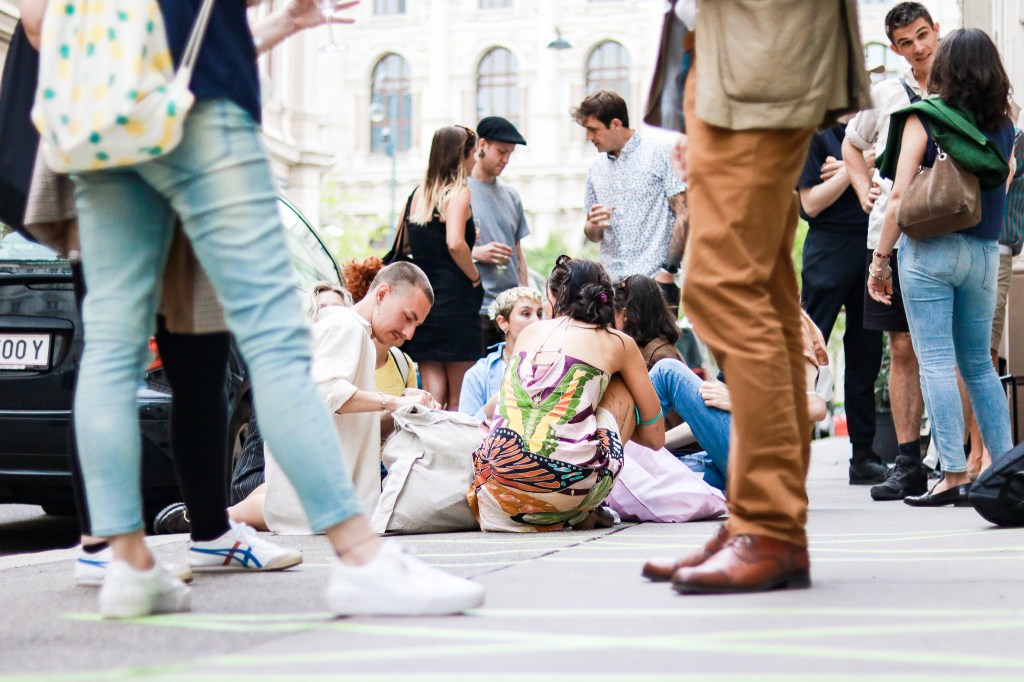
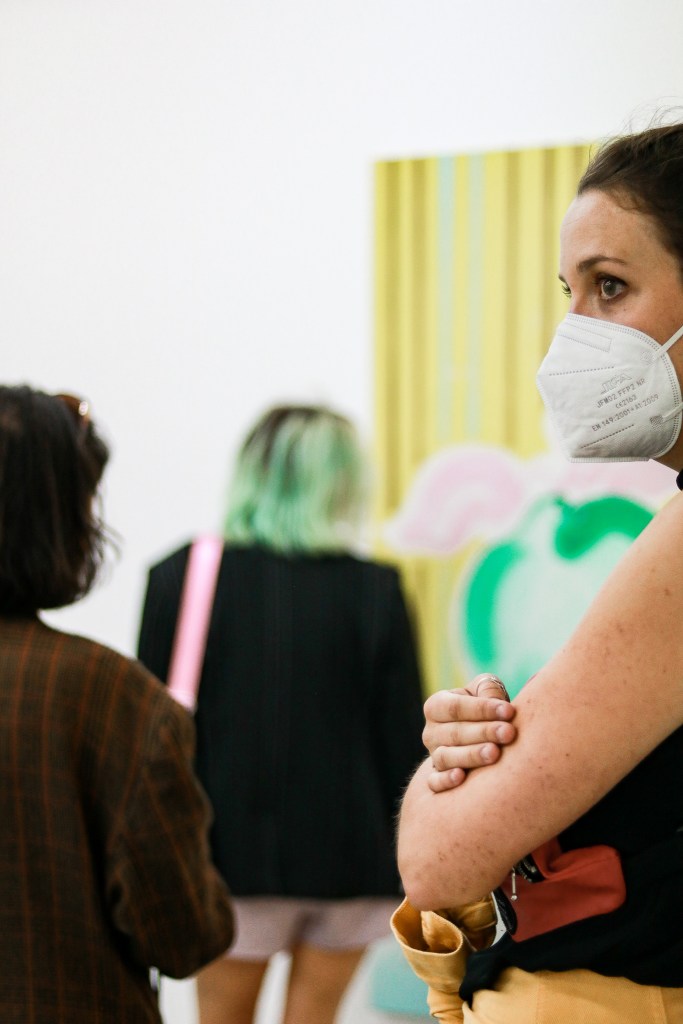
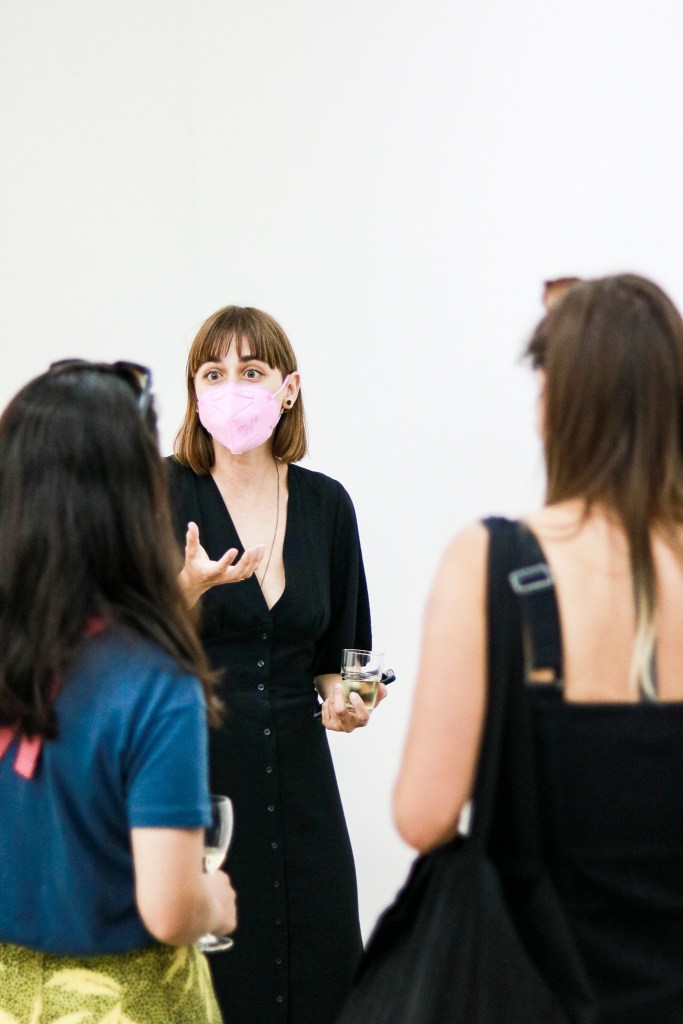
Vernissage










 Anežka Jabůrková